If you open a fast-play gaming app and see Wingo running on a countdown, the first question is obvious: how does Wingo game work when each round lasts only a few minutes or even seconds? The short answer is that you choose a prediction before the timer ends, wait for one result number to appear, and get paid if your prediction matches the outcome rules for that round. It looks simple because it is simple on the surface. What matters is understanding what exactly you are predicting, how platforms map numbers to colors, and where players usually make mistakes.
How does Wingo game work in real play?
Wingo is built for short sessions. A round opens, a timer starts, and you place a bet on an outcome before the countdown hits zero. Once the round closes, the platform shows a result, usually a single digit from 0 to 9. That digit is then used to decide which predictions win.
Most versions of Wingo let you predict a number, a size category, or a color category. Number bets are the most direct because you are choosing the exact final digit. Size bets are broader, usually split into small and big. In many versions, small means 0 to 4 and big means 5 to 9. Color bets are where new users get confused, because each platform can present the mapping a little differently even if the core pattern stays familiar.
That is why experienced players do not rush the first round. They check the game screen, read the payout table, and confirm how the app defines red, green, violet, big, and small before staking real money. A fast game rewards quick action, but blind action is still a bad move.
The core setup: timer, result, and payout logic
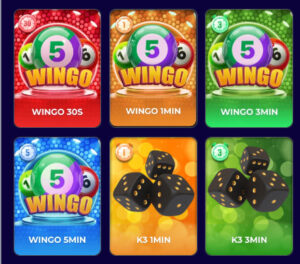
The countdown is the engine of the game. Wingo rounds are usually offered in short formats such as 30 seconds, 1 minute, 3 minutes, or 5 minutes. Shorter rounds mean more action and more chances to play, but they also make it easier to overbet if you are not controlling your pace.
When the betting window is open, you choose your stake amount and your prediction type. After the round closes, the system publishes the result number. Winning bets are then credited based on the odds attached to that market. Exact number predictions usually pay more than big or small because they are harder to hit. Color payouts often sit somewhere in the middle, depending on the platform rules.
This is the part many players miss: Wingo is not one single universal game with one fixed rulebook across every app. It is a format. The round flow is similar across platforms, but payout rates, interface labels, and even some color interpretations can vary. If you already use mobile gaming apps that offer quick prediction play, that difference should not surprise you. You still need to check the live table on the screen you are using.
Understanding numbers, colors, and categories
In most Wingo games, the final digit drives everything. If the result is 7, then exact number bettors who chose 7 win. If the app defines 5 to 9 as big, then big bettors win too. If 7 falls under a color category like green or red on that platform, those color bets also settle accordingly.
A common setup works like this: 1, 3, 7, and 9 belong to one color group, 2, 4, 6, and 8 belong to another, and 0 and 5 are treated as special numbers that may connect to violet and sometimes overlap with another color category depending on the rules shown in the app. This is exactly why players should not rely on screenshots from random groups or old posts. One small display difference changes the meaning of the bet.
If you are trying to play smarter, start with category understanding before strategy. It is easier to stay in control when you know what each tap actually means. Betting on a color because someone posted a prediction is one thing. Betting on a color while fully understanding how 0 and 5 are treated is a different level of play.
Exact number bets
This is the highest precision option. You pick one digit and win only if that exact digit appears. The trade-off is obvious: bigger payouts, lower hit rate. This market attracts players who want sharper risk and clearer outcomes.
Big and small bets
These are simpler because they cover half the range. If the platform uses 0 to 4 as small and 5 to 9 as big, you are effectively choosing one side of the board. The payout is usually lower than an exact number bet, but the hit chance is higher.
Color bets
Color is the popular middle ground. It feels more targeted than big or small, but not as narrow as an exact digit. The catch is that special numbers can complicate the result, so always check the in-app rules before betting.
How players usually place a Wingo bet
The process is built for speed. You enter the game room, choose the round duration, select a prediction type, set the amount, and confirm before the timer ends. If you are on a mobile-first platform, this takes only a few taps.
Most users are not looking for a long learning curve. They want quick access, clear options, and instant result tracking. That is why Wingo gets so much repeat play. It fits short breaks, fast sessions, and users who like to test predictions several times a day without spending half the session navigating menus.
That convenience is also where discipline matters. Because rounds arrive nonstop, it is easy to chase losses or double stakes too quickly. A game that feels lightweight can still drain a balance fast if every countdown pushes you into the next bet.

What affects your results besides the actual outcome?
The result number decides the round, but your real experience also depends on timing, stake control, and platform clarity. If you miss the countdown by a second, your bet may not register. If you misunderstand the color table, you can think you made a safer pick than you actually did. If you keep raising your amount after losses, one bad stretch gets expensive quickly.
There is also the issue of expectations. Some players approach Wingo as if patterns guarantee the next result. You will see trend charts, result history tables, and prediction communities built around that idea. Those tools can help you track what has happened, but they do not remove uncertainty. Past outcomes can shape your choices, not control the next digit.
That does not mean tracking is useless. It means you should treat history as reference, not proof. Plenty of users like using community predictions or AI-style signals because they make the game more structured. That can be useful if it stops random betting. It is not useful if it convinces you that a win is due.
A practical way to approach Wingo without overcomplicating it
If you are new, do one thing first: watch a few rounds before betting. See how the timer moves, how the result is displayed, and how the app settles each category. Once the logic is clear, start with smaller amounts and stick to one bet type long enough to understand how it behaves.
Mixing exact numbers, colors, and size bets in the same rushed session often creates confusion. You are better off learning one lane at a time. Some players prefer big or small because the rules are easier to track. Others like color because it feels more active while still broader than exact numbers. Neither choice is automatically better. It depends on your risk tolerance and how steady you want your session to feel.
If you already use fast gaming apps and want a smoother mobile experience, platforms like Dostwin push this style of play because it matches what users actually want – quick login, short rounds, fast payment support, and rewards that keep daily play active. That works well for convenience. It also means you need your own limits, because the app is built to keep the pace moving.
Common misunderstandings about how does Wingo game work
The biggest misunderstanding is thinking Wingo is complicated. It is not. The structure is straightforward once you know what each market means. The second misunderstanding is the opposite – thinking simple means risk-free. Quick rounds can create bad habits faster than slower games because there is less time to pause between decisions.
Another common mistake is assuming all Wingo versions use identical payout logic. They do not always match perfectly. Good players verify the current round rules on the screen they are using instead of relying on memory from another app.
And finally, many users believe they need a secret formula to get started. They do not. What they need is rule awareness, budget control, and enough patience to avoid betting just because the countdown is there.
Wingo works best when you treat speed as a feature, not as pressure. Learn the board, respect the timer, keep your stake under control, and let every bet be a choice instead of a reflex.
Join Official Channel here: Dostwin Official Channel